

Concorde Staff


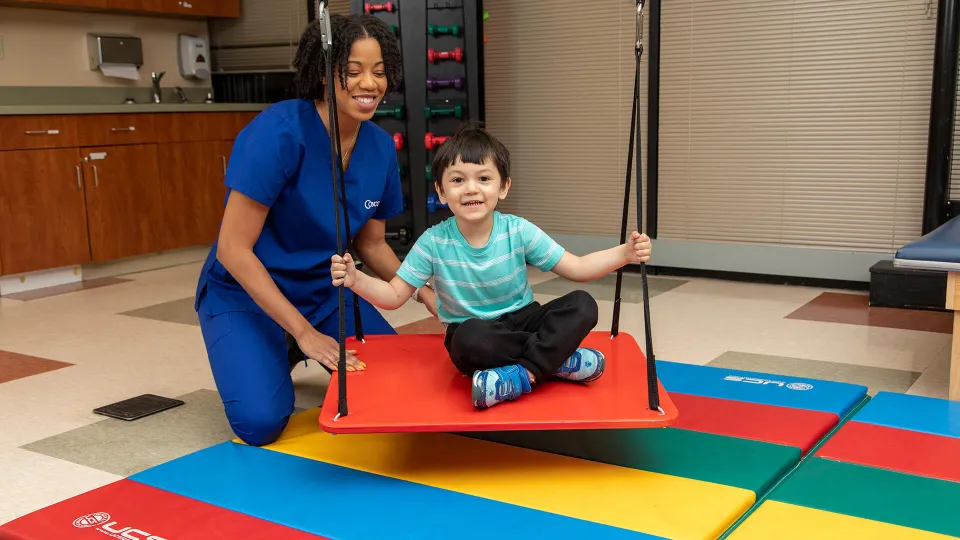
Whether you're an occupational therapist, an occupational therapy assistant, or have worked with someone in this healthcare field, you'll appreciate celebrating April's Occupational Therapy Month [1].
Occupational Therapy Month (OT Month) was established in 1980 to coordinate with the annual AOTA Conference & Expo. This April celebration honors occupational therapists (OT) and occupational therapist assistants (OTA) who work with children with disabilities and populations who need help with cognitive functions. OT Month celebrates and brings awareness to the importance of these healthcare professionals.
What is Occupational Therapy?

Occupational Therapy is a healthcare profession focused on helping people of all ages build, recover, or maintain the skills they need for daily life, from dressing, working, playing, or living independently.
Occupational therapy practitioners, OTs and OTAs, use evaluation methods and scientifically-backed exercise and learning practices to help people of all ages perform daily activities. Parents with children with developmental issues use OTs and OTAs to help their toddlers or teenagers integrate into society and develop essential skills for learning. Adults who are recovering from injuries benefit from occupational therapists as the professional helps them with daily skills and functions.
OTs can help people learn how to dress and care for themselves to help them live independent lives. Depending on the person's condition or situation, an OT may work with an individual for a few weeks to years. The key to OT effectiveness is evaluating the progress of developmental and functional skills. OTs develop a customized plan for their patients and constantly evaluate their progress, while the occupational therapy assistant helps implement the plans created by the occupational therapist [2].
Why We Celebrate National Occupational Therapy Month in April

Occupational therapists and occupational therapy assistants are vital to the health of select populations. Taking time to honor these healthcare professionals helps validate their contributions to improving the lives of humans of all ages. One of the main reasons National Occupational Therapy Month occurs in April is to bring awareness to the AOTA Conference & Expo.
April, 2026 is the 46th Annual Occupational Therapy Month, which coincides with the American Occupational Therapy Association (AOTA) Annual Conference & Expo, which will be held in Anaheim, California, April 23 through 25, 2026 [3]. The advanced registration deadline for this event is March 23, 2026.
History of Occupational Therapy
In 1912, Eleanor Clark Slagle attended school at Johns Hopkins University in Baltimore, Maryland, as she was intriqued in the benefits of occupational therapy. Slagle soon became president of the National Society for the Promotion of Occupational Therapy and then became the secretary of AOTA. During her lifetime, Slagle trained over 4,000 students to become OTs.
The Occupational Therapy Association was incorporated in 1964, and in 1994, the association moved to its current headquarters in Bethesda, Maryland. Today, at the 2026 AOTA Conference & Expo, attendees have access to over 300 sessions that can help them advance their OT knowledge. From workshops to networking opportunities, the April AOT Conference & Expo is a successful and fun way to celebrate OT Month.
How Occupational Therapy Helps People Every Day
Occupational therapy encompasses a broad range of skills designed to improve people's lives. An OT evaluates their patients' needs and creates a customized plan for them. During the assessment, the OT may come to your home to meet with you and your caregiver and to assess ways to improve your home for safety.
Older people who have had an injury, have an illness such as dementia, or have had a stroke, will help the person learn to dress, groom, and feed themselves. The OT can also teach people computer or technology skills based on their motor skills to implement vital communication skills.
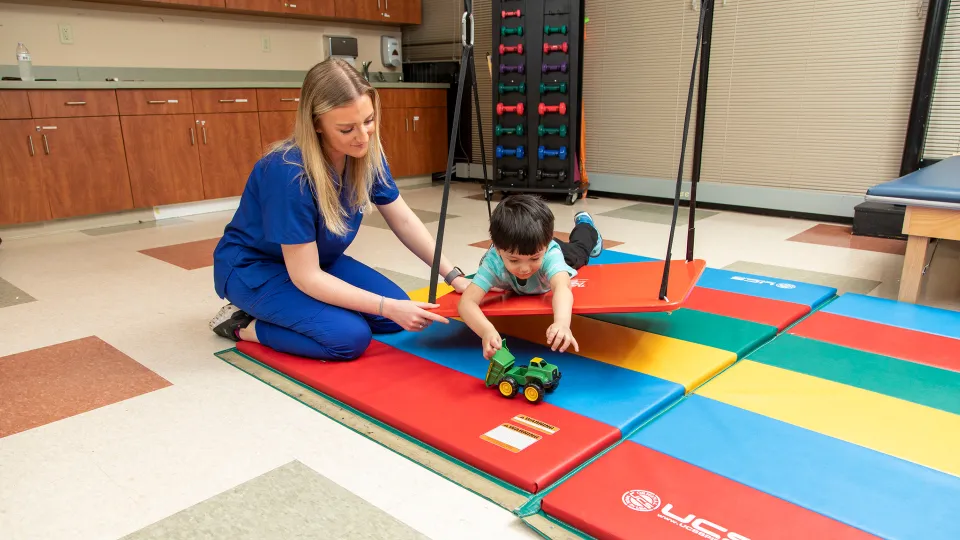
OTs who work with children with cognitive disabilities can improve their school performance, enhance social skills, and boost self-confidence. OTs help improve fine motor skills to enhance handwriting, grasping objects such as toys or silverware, and improve hand-eye coordination. These skills give children confidence to interact with others, helping to build their social skills. Children on the autism scale, those with birth defects, or brain disorders benefit from the professional and compassionate care they receive from an OT or OTA.
Explore Concorde's ACOTE-accredited occupational therapy assistant program for more information on what an OT does.
How You Can Recognize OT Month

While Occupational Therapy Month honors and celebrates the work that OTs do, there are ways that you can help recognize the importance of OT Month. For starters, if you know or work with an OT, give them special recognition.
You can also share success stories of OTs that inspire you on social media using hashtags like #OT month. Do you have a loved one or friend who has benefited from OT services? Share them. Do you know of any parents who have children with physical or mental disabilities who work with OTs? Share their stories.
There are plenty of educational classes, seminars, and workshops you can take to help increase your awareness of what OTs do. And, during OT Month, consider volunteering at local, state, or national events to help promote the importance of Occupational Therapists and Occupational Therapy Assistants.
Frequently Asked Questions About Occupational Therapy
Common questions people in OT ask include:
What are the key benefits of OT?
Key benefits include building confidence to participate in daily activities, such as walking and socializing. In addition, working with an OT helps people live independently by making adjustments to their mind, body, and living space.
What is the difference between OT and physical therapy?
A physical therapist is a trained and certified healthcare professional who focuses on rehabilitating an injured part of the body, often after surgery. An OT helps people build skills to help them with daily activities, such as dressing, playing, walking, and gardening.
Do OTs work with me in my home?
Yes, an OT or OTA can help you make adjustments in your home, including suggesting handrails in key places, planning to increase light in dark areas, and managing products on shelves for easy reach. OTs can work with children in the privacy of their room for ease, comfort, and convenience.
Start Your OT or OTA Career
If you have the passion to help improve the lives of people of all ages by boosting confidence, improving their mental status, and increasing cognitive and functional skills, consider a career as an OT or OTA. Concorde College offers an Occupational Therapist Assistant Program. Our program helps prepare you to sit for the National Board for Certification in Occupational Therapy (NBCOT) exam [4]. You can complete our OTA program in about 20 months, consisting of 81.5 credit hours with about 360 hours of lab work.
Footnotes:
1. "Occupational Therapy Month." American Occupational Therapy Association.
2."How to Become an Occupational Therapy Assistant or Aide.” U.S Bureau of Labor Statistics.
3. "AOTA Annual Conference & Expo. Inspire." AOTA.org.
4. "National Board for Certification in Occupational Therapy Value Certification." National Board for Certification in Occupational Therapy.
Take The Next Step Towards a Brighter Future
Interested in learning more about our Occupational Therapy Assistant program?
We have a Concorde representative ready to talk about what matters most to you. Get answers about start dates, curriculum, financial aid, scholarships and more!
Related Articles
View All


Latest Articles
View All