
Concorde Staff


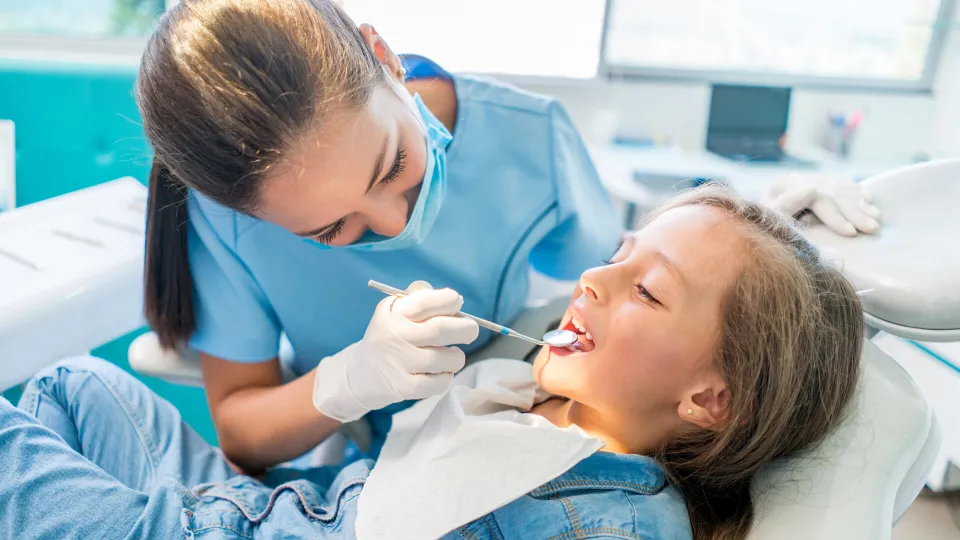
Dental assistants are fundamental to the smooth running of dental practices, ensuring patients receive quality oral care. The typical day of a dental assistant involves clinical duties and administration. Understanding their daily responsibilities and job prospects may help candidates decide whether this career is a good fit.
Morning Routine: Starting the Day
Good organization and attention to detail help dental assistants complete their morning tasks efficiently, ensuring the effective operation of the practice throughout the remainder of the day. Some tasks that dental assistants may complete in the morning include:
- Arriving roughly 30 to 45 minutes before the first patient's appointment
- Reviewing the day's schedule, including appointments
- Organizing records of the day's patients
- Preparing procedure rooms by sterilizing dental equipment, setting up instruments, and cleaning consulting rooms
- Attending a morning meeting to discuss the day's schedule
- Opening the office and greeting patients as they arrive
Some of the equipment dental assistants prepare in the morning includes:
- Diagnostic tools: mouth mirrors, explorers, periodontal probes
- Procedural tools: dental retractors, drills
- Excavation tools: spoon excavators, dental hatchets, curettes
Patient Care and Clinical Duties
Dental assistants provide patient care, which may include customer service or assisting the dentist with clinical duties. Their interpersonal and multitasking skills may help patients feel confident and ensure the procedure goes well. Some of the tasks and clinical duties dental assistants perform daily include:
- Greeting patients as they arrive at the office
- Escorting patients to the procedure room
- Taking patient medical histories and updating records
- Preparing patients for procedures, including putting on their dental napkins and helping them feel at ease
- Assisting the dentist or dental hygienist during patient assessments and treatments
- Taking dental X-rays and impressions
- Explaining post-treatment care and oral hygiene practices to patients and answering their questions
Some of the procedures that dental assistants help with include:
- Dental cleanings (prophylaxis): They may provide suction or irrigation to keep the patient's mouth dry and clean and hold reflector tools while the dentist removes plaque and tartar, polishes teeth, and evaluates gum health.
- Cavity treatments: They may prepare materials, provide suction and irrigation, and hand dentists equipment to fill cavities with amalgam, composite resin, ceramic, or glass ionomer fillings.
- Dental X-rays: They may take bitewing, periapical, panoramic, or cone beam computed tomography images for dentists to assess.
A 2017 study found that roughly 19% of people feel mid- to high-level anxiety when visiting the dentist. Dental assistants may help nervous patients by:
- Thoroughly explaining the procedure before it begins
- Establishing a communication signal that patients can use when they feel overwhelmed, such as raising their hand
- Distracting patients from their anxiety with conversations, music, or television programs
- Communicating with patients throughout the procedure to take their mind off the treatment and keep them informed
- Helping pediatric patients by explaining and demonstrating procedures in simple terms and providing stuffed toys
Administrative Tasks and Office Management
When they're not working in the procedure room, dental assistants may manage various administrative tasks, such as:
- Making appointments for patients and managing the practice's calendar
- Keeping patient records up to date
- Processing payments and insurance claims
- Recording the treatment plans that dentists develop
- Managing the practice's inventory and ordering new supplies when stock levels are low
- Answering phone calls and emails
A dental assistant's administrative tasks help the practice run efficiently by ensuring appointments aren't double-booked, the practice receives payments quickly, and the dental team has everything it needs.
Technology has become an important part of working as a dental assistant. Some of the high-tech tools they use include:
- Dental management software: to schedule appointments, maintain records, and communicate with patients
- Digital imaging technology: to capture clear images of patients' mouths with less risk of radiation exposure than traditional film-based radiographs
- Intraoral cameras: to provide high-resolution images of patients' mouths to help dentists accurately assess and educate patients
Sterilization and Infection Control

Dental assistants ensure that procedure rooms and dental equipment are clean and sterile to minimize the risk of infections and maintain a safe space for patients and dental practice staff. Some key sterilization and infection control duties include:
- Sterilizing dental instruments
- Cleaning and disinfecting procedure rooms and tools between patient appointments
- Following infection control guidelines, such as the U.S. Centers for Disease Control and Prevention's advice about safe injection practices and regular spore testing for autoclaves in the Summary of Infection Prevention Practices in Dental Settings
- Ensuring the dental practice adheres to safety regulations
End-of-Day Administration
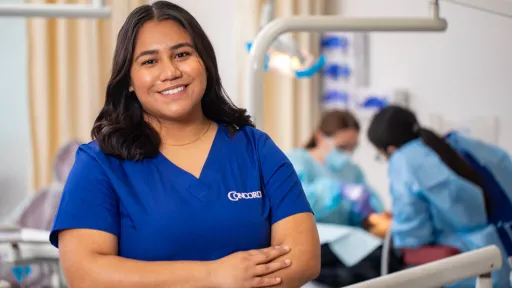
Dental assistants finish their days with administrative tasks in preparation for the following day's appointments. Some common jobs for the end of the day include:
- Cleaning and organizing the office
- Completing unfinished paperwork and administrative duties, including coding insurance bills and processing invoices and payments
- Sending out reminder cards
- Calling patients to confirm their upcoming appointments and checking on their well-being following procedures
- Restocking dental materials and office supplies
- Performing an audit of the office and analyzing its needs
- Reviewing the next day's schedule
Skills and Qualities That Help Dental Assistants Succeed
Dental assistants may learn and develop important skills through training programs and hands-on experience. The best dental assistants usually have these qualities and skills:
- Advanced communication skills to explain procedures to patients, listen and respond to their questions, and maintain accurate records
- Strong interpersonal skills for good rapport with patients and practice staff
- Attention to detail for accurately performing tasks, such as taking X-rays
- Organizational and multitasking skills to effectively manage various tasks and the dental practice
- Manual dexterity and good hand-eye coordination to safely handle small dental tools and minimize patient discomfort
- Ability to work efficiently in a fast-paced environment
- Empathy and patience for helping challenging patients
- Proficiency in using dental software and advanced dental equipment
Dental assistants may use their skills and qualities to overcome these common job challenges:
- Scheduling and time management on busy days
- Anxious patients, who may distract dental assistants from other duties
- Workplace stress, such as pressure caused by high patient volumes or challenging patients
Job Outlook and Opportunities for Dental Assistants
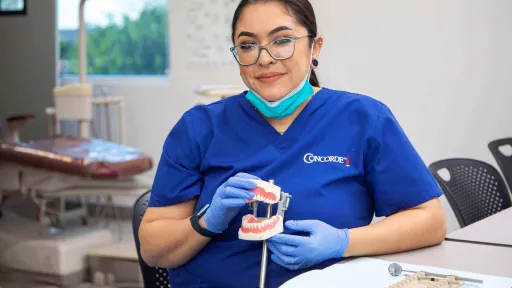
The career outlook for dental assistants is positive; the U.S. Bureau of Labor Statistics projects that job opportunities for dental assistants will grow by 6% between 2024 and 2034. Several factors influence this potential influx of jobs, including:
- The need to replace dental assistants who are advancing to other opportunities
- The need to fill workplace gaps made by dental assistants retiring from the workforce
- A growing demand for preventive dental services
- The expansion of existing dental practices
- An aging population that's more likely to keep their original teeth compared with previous generations
A dental assistant may become certified or pursue extra training to become an Expanded Function Dental Assistant. EFDAs may perform more complex tasks than regular dental assistants, such as applying sealants and topical anesthetics. A dental assistant may also pursue a career as a dental hygienist after completing a certification program
Some dental assistants may specialize in areas such as:
- Orthodontics: assisting orthodontists treating patients who require braces or other orthodontic aids
- Endodontics: assisting endodontists treating patients who need dental pulp treatments, such as root canals
- Pediatric dentistry: working with pediatric dentists treating infants, children, and adolescents
- Oral surgery: helping oral surgeons in their surgical treatment of patients with head, neck, and mouth issues
- Periodontics: assisting periodontists in treating patients with gum diseases, such as gingivitis and periodontitis
Continuing to learn through educational programs and professional development opportunities may help dental assistants advance their careers and add more value to dental teams.
The Rewards of Dental Assisting
Dental assistants are integral members of dental health teams, caring for patients and ensuring the practice runs smoothly. The role offers a rewarding career for those who enjoy helping others. Students interested in pursuing a career as a dental assistant should consider Concorde's Dental Assisting and Dental Assistant Diploma and Associate Programs.
"What Dental Assistant Do," U.S. Bureau of Labor Statistics, https://www.bls.gov/ooh/healthcare/dental-assistants.htm#tab-2
"The Prevalence of Dental Anxiety in Dental Practice Settings," American Dental Hygienists' Association, https://jdh.adha.org/content/91/1/30
"Summary of Infection Prevention Practices in Dental Settings: Basic Expectations for Safe Care," U.S. Centers for Disease Control and Prevention, https://www.cdc.gov/dental-infection-control/hcp/summary/index.html
"Discover How to Advance Your Dental Assistant Career," gotu, https://joingotu.com/dental-professionals/discover-how-to-advance-your-dental-assistant-career/
"Become an Expanded Functions Dental Assistant," Dental Assisting National Board, https://www.danb.org/career-center/become-an-efda
"Why Assistants Enjoy Working in Dental Specialties," Dental Assisting National Board, https://www.danb.org/news-blog/detail/blog/why-assistants-enjoy-working-in-dental-specialties
"Recognized Dental Specialties, National Commission on Recognition of Dental Specialties and Certifying Boards, https://ncrdscb.ada.org/recognized-dental-specialties
Take The Next Step Towards a Brighter Future
Interested in learning more about our Dental Assistant program?
We have a Concorde representative ready to talk about what matters most to you. Get answers about start dates, curriculum, financial aid, scholarships and more!
Related Articles
View All

Latest Articles
View All